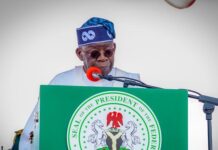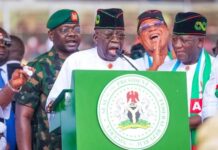


Nigeria has made significant strides in reducing its debt servicing burden, bringing it down from 96% of its 2023 revenue to 67% under President Bola Tinubu’s administration. This milestone, according to Deputy Speaker of the House of Representatives, Hon. Benjamin Kalu, is creating fiscal space for critical investments in health, education, and infrastructure, aligning with the country’s sustainable development agenda.
Speaking at the Inter-Parliamentary Union (IPU) and United Nations General Assembly (UNGA) 2025 Parliamentary Hearing in New York, Kalu highlighted Nigeria’s approach to managing its debt crisis while ensuring progress toward the Sustainable Development Goals (SDGs).
Parliamentary Oversight and Debt Management Reforms
During a session on “The Debt Crisis and the SDGs: Proposals for Sustainable Solutions,” Kalu noted that Nigeria’s legislative body has strengthened oversight to address the country’s fiscal challenges. He emphasized that biased credit rating methodologies by global agencies such as S&P and Moody’s inflate Nigeria’s borrowing costs, leading to an estimated $1.5 billion in excess interest payments annually.
To counter these challenges, he stated that the National Assembly is reviewing the Fiscal Responsibility Act to enforce debt ceilings and enhance transparency. Additionally, the House of Representatives is working on leveraging philanthropy and impact investing for SDG-aligned debt management strategies.
“We are committed to ensuring our debt management practices remain transparent, accountable, and aligned with our development goals,” Kalu said.
Global Cooperation and Calls for Debt Relief
Kalu also underscored Nigeria’s push for international cooperation to tackle debt-related challenges. The country is advocating for SDG-linked debt relief and lobbying the International Monetary Fund (IMF) for SDG Conditional Debt Clauses, which would allow for payment pauses during crises.
Further, he called on OECD nations to criminalize exploitative litigation by vulture funds against low-income countries. Nigeria is also working with the African Union to establish an African Credit Rating Agency (ACRA) to provide fairer credit assessments for the continent.
“The IPU in 2025 must amplify these strategies to avert a lost decade for the SDGs,” Kalu stated.
Trade Reforms and Economic Diversification
Addressing Nigeria’s trade challenges, Kalu identified barriers to export diversification, including tariff and non-tariff constraints that stifle non-oil sectors such as agriculture, manufacturing, and technology. He noted that despite Nigeria’s ratification of the African Continental Free Trade Agreement (AfCFTA), bureaucratic and infrastructural issues limit the country’s global competitiveness.
In response, the House of Representatives has prioritized legislative measures to diversify exports, streamline business registration, and maximize AfCFTA benefits. The 2023 Finance Act has also introduced tax incentives for agro-processing and renewable energy exports, aligning trade policies with the SDGs.
Additionally, Kalu revealed that Nigeria is collaborating with META and AfriLabs to craft legislation that exempts local tech platforms from digital service taxes, encouraging more digital trade while maintaining domestic revenue generation.
Tax Reforms to Boost Domestic Revenue
Kalu also highlighted Nigeria’s commitment to tax reforms, emphasizing that robust tax systems are vital for funding public investments in infrastructure, healthcare, and education. He pointed to the recent passage of four key tax reform bills in the House of Representatives, which aim to modernize tax administration, consolidate revenue agencies, and improve compliance through advanced technology.
“Nigeria’s proactive approach to tax reform—through centralized tax collection, VAT modifications, and international cooperation—positions the country to better mobilize domestic resources in support of the SDGs,” Kalu said. He stressed that while the reforms offer significant opportunities for fiscal sustainability, their success depends on rigorous oversight, transparent governance, and a balanced approach that ensures economic equity.
Nigeria’s Commitment to Sustainable Development
Through strengthened parliamentary oversight, financial sector reforms, and international advocacy, Kalu reiterated that Nigeria is determined to turn its debt burden into an opportunity for sustainable growth. “We believe global cooperation and collective action are necessary to achieve our development goals and address the debt crisis,” he concluded.
The Nigerian government’s commitment to fiscal discipline, trade expansion, and tax modernization signals a strategic approach to long-term economic stability, with potential lessons for other nations facing similar challenges.