
THE SIGNAL
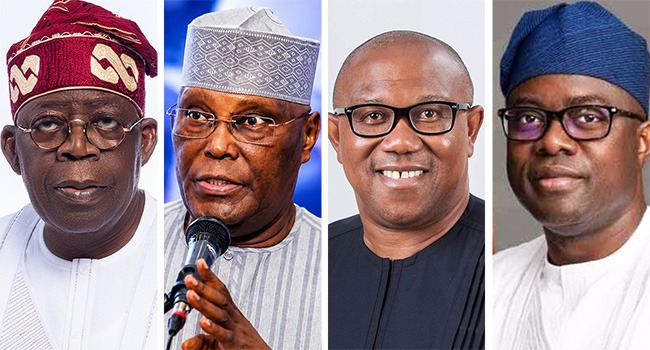
INEC has settled the formal presidential field for the January 16, 2027 election. It has not settled the political contest behind it. The commission has confirmed 18 presidential candidates and their running mates, including President Bola Tinubu of the APC, Atiku Abubakar of the ADC, Peter Obi of the NDC, and Seyi Makinde of the APM.
That gives voters a clearer list of names. But it also exposes the opposition’s central problem: several of its most prominent figures now have separate tickets, separate parties and separate campaign interests. The nomination process has produced candidates. It has not produced a common strategy.
The question is therefore no longer simply who has secured a presidential ticket. It is whether politicians who have already been formally presented to the electorate can still coordinate, negotiate or reconsider their positions before voting day and whether they can do so without fracturing their parties and support bases.
That tension is now visible in the renewed contact between Peter Obi and Seyi Makinde.
THE OPPOSITION’S NEW MOVEMENT
The most significant recent development is the renewed engagement between Obi and Makinde. The two politicians have appeared together publicly in recent days, including at the inauguration of Makinde’s APM presidential campaign office.
Their contact matters because it brings together two figures with different political assets. Obi retains a strong national profile following his performance in the 2023 presidential election. Makinde is one of the country’s most prominent governors, with influence that extends beyond his immediate party structure.
Both men have played down suggestions that a formal alliance has already been reached. They have described their engagement as consultations and discussions around national political interests. That distinction matters. A meeting is not an alliance. A public appearance is not a coalition. Consultations do not automatically lead to a joint ticket or a common campaign.
But the timing is significant.
INEC has now confirmed Obi and Makinde as presidential candidates of different parties. Their public engagement therefore shows that the formal nomination process has not frozen the opposition’s political relationships. The ballot may list them separately, but the politicians and networks behind those tickets are still testing whether they can work together.
The conversation is also moving beyond party labels. The relevant question is not only whether the APC, ADC, NDC or APM can campaign independently, but whether the personalities and networks associated with them can find enough common ground to coordinate their efforts.